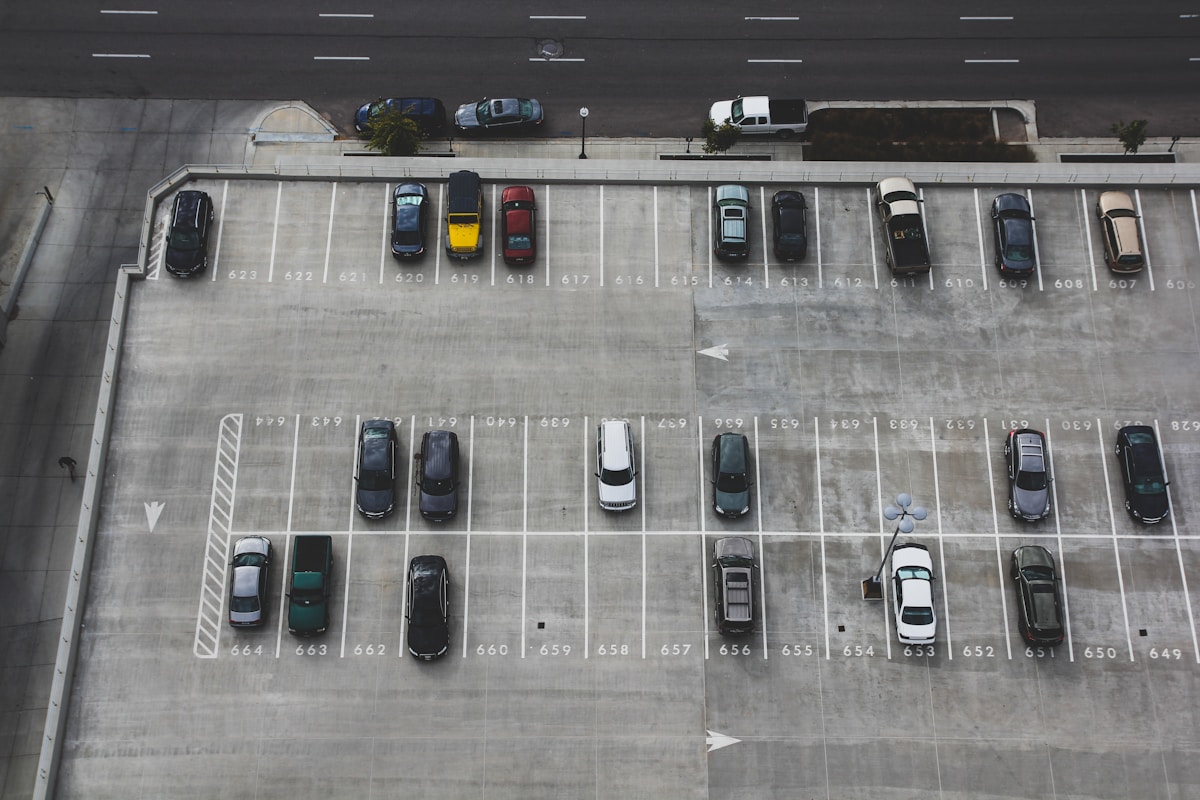
The flight lands at 6 PM. The meeting starts at 8 AM. She doesn't know the city well, but she does know that finding parking near a downtown office during rush hour can be impossible. So before leaving home, she books a space at a garage two blocks from the meeting venue. Guaranteed. Confirmed. One less thing to worry about on an already stressful trip.
The Certainty Premium
Uncertainty carries a cost. The driver circling a full parking lot, late for an appointment, would pay a premium for guaranteed access. The business traveler choosing between uncertain street parking and guaranteed garage parking will often choose guarantee. The parent taking kids to a special event values knowing they can actually get there.
Traditional parking offers no certainty. Arrive, hope there's space, deal with the consequences if there isn't. This works well enough for routine trips where alternatives exist and stakes are low. But for high-value occasions—important meetings, special events, time-sensitive appointments—uncertainty is a problem that customers will pay to solve.
Reservation systems convert uncertainty into certainty, creating value for customers and revenue for operators.
How Parking Reservations Work
The concept is familiar from hotels, restaurants, and flights. Apply it to parking, and the mechanics are straightforward.
Search and select. Customers find facilities through the app, website, or integration partners. They see real-time or predicted availability, pricing, and facility details. They select their preferred location and time window.
Book and pay. Reservations require commitment—typically payment at booking, or at least payment guarantee. This filters casual browsers from serious customers and provides revenue certainty to operators.
Confirm and communicate. Confirmation includes all details needed for arrival: address, entry instructions, QR code or plate-based access, any special procedures. Reminders before the reservation reinforce the commitment and reduce no-shows.
Arrive and access. When the customer arrives, the system recognizes their reservation—via plate lookup or QR code—and grants entry. No additional verification, no payment processing at the gate, no friction.
Exit and complete. Departure triggers session completion. If actual time exceeds the reservation, additional charges apply automatically. If time falls short, policies determine whether credits apply.
Benefits for Customers
The customer value proposition is clear and compelling.
Guaranteed space. The primary benefit: knowing that parking will be available. No circling, no contingency planning, no stress.
Price certainty. Reservations lock in pricing at booking time. Even if rates increase due to demand, the reservation price holds. Customers know exactly what they'll pay.
Time savings. Pre-paid, pre-authorized entry means no gate transactions. Drive straight in, park, and proceed to the destination.
Planning integration. Parking confirmation is another detail handled in advance, like flight and hotel bookings. The overall trip is organized, not left to chance.
Benefits for Operators
Reservations create operator benefits that go beyond the obvious revenue capture.
Demand visibility. Reservations reveal demand before it arrives. If tomorrow's reservations are heavy, staffing and operations can prepare. If they're light, promotional activities can be triggered.
Revenue certainty. Prepaid reservations represent confirmed revenue, not hopeful projections. Cash flow becomes more predictable. Capacity is monetized in advance.
Premium pricing opportunity. The guarantee premium—charging more for reserved than walk-up parking—captures value from customers who prioritize certainty. The increment can be substantial for high-demand periods.
Customer data. Reservations capture customer information before arrival. Contact details enable communication. Booking patterns reveal preferences. Repeat reservations indicate loyalty worth nurturing.
Competitive differentiation. Facilities offering reservations compete on dimensions beyond price and location. They offer certainty that traditional facilities can't match.
Managing Inventory
Reservation systems require thoughtful inventory management. You can't reserve 100% of capacity—some spaces must remain for walk-ups, and reservation no-shows must be accommodated.
Allocation limits. Operators set maximum reservations as a percentage of capacity, leaving buffer for walk-up traffic. These limits can vary by time period—tighter allocation during peak hours, looser during off-peak.
Overbooking management. Like airlines, parking operators can accept slight overbooking, predicting that some reservations won't materialize. The calculation balances revenue capture against customer satisfaction risk.
Dynamic availability. Real-time occupancy feeds availability displays. As walk-up traffic consumes unallocated capacity, remaining available slots adjust automatically.
Cancellation policies. Clear cancellation terms balance customer flexibility with operator revenue protection. Full refunds until 24 hours before, partial refunds after—or stricter terms for high-demand periods.
Integration Opportunities
Standalone reservation systems capture value. Integrated systems capture more.
Aggregator platforms. Parking reservation aggregators—sites where customers compare options across multiple facilities—extend reach beyond direct bookings. ParkNCharge integrates with major aggregators to expand distribution.
Navigation apps. When drivers search for parking in mapping applications, reservation-enabled facilities can appear with real-time availability and booking capability.
Venue partnerships. Sports arenas, convention centers, theaters—venues with large parking demands can offer reservations as part of event ticketing. Buy tickets, add parking, arrive stress-free.
Hotel and travel. Business hotels, airports, and travel platforms can bundle parking reservations with primary bookings. The customer gets convenience; the operator gets guaranteed volume.
Pricing Strategies
Reservation pricing doesn't have to be static. Strategic pricing maximizes both revenue and customer value.
Advance booking discounts. Reward early commitment with lower rates. Customers who book a week ahead get better pricing than those who book the day before. Operators get earlier demand visibility.
Demand-based pricing. When reservations for a period fill quickly, prices can rise for remaining inventory. Customers who value certainty highly will pay the premium; price-sensitive customers wait for other options.
Package deals. Multi-day reservations, weekly parking packages, event bundles—these structures provide customer savings while guaranteeing operator revenue over extended periods.
Getting Started
Launching a reservation system requires operational readiness and customer communication.
Entry infrastructure must support reservation-based access—LPR or QR scanning that validates reservations and opens barriers. Payment must be separated from entry, since reservation customers have already paid.
Customer awareness drives adoption. Marketing highlights the availability and benefits of reservations. Signage at facilities promotes the option. Integration partners extend visibility.
The business traveler who booked parking before her trip? She made her morning meeting with time to spare, remembered the facility positively, and will likely book again next visit. That's the reservation system working exactly as designed.
Add Reservations to Your Facility
Parking reservations create value for customers and revenue for operators. Contact us to discuss how reservation capabilities could enhance your facility.
Explore Reservation Solutions →Related Articles

Estate Parking Management: Secure Access Control for Residential and Commercial Estates
Learn how ParkNCharge transforms estate parking operations with secure LPR access control, visitor management, and automated billing for residential and commercial estates.

Airport Parking Solutions: Managing High-Volume Traffic and Long-Term Stays
Learn how ParkNCharge's specialized airport parking solutions handle high-volume traffic, pre-booking, multi-zone management, and maximize revenue for airport facilities.

Automated Violation Management: Ensuring Fair Parking Practices
Understand how automated systems can efficiently detect, document, and manage parking violations, ensuring compliance and fair usage.