Building the Future: EV Charging Infrastructure for Parking Facilities
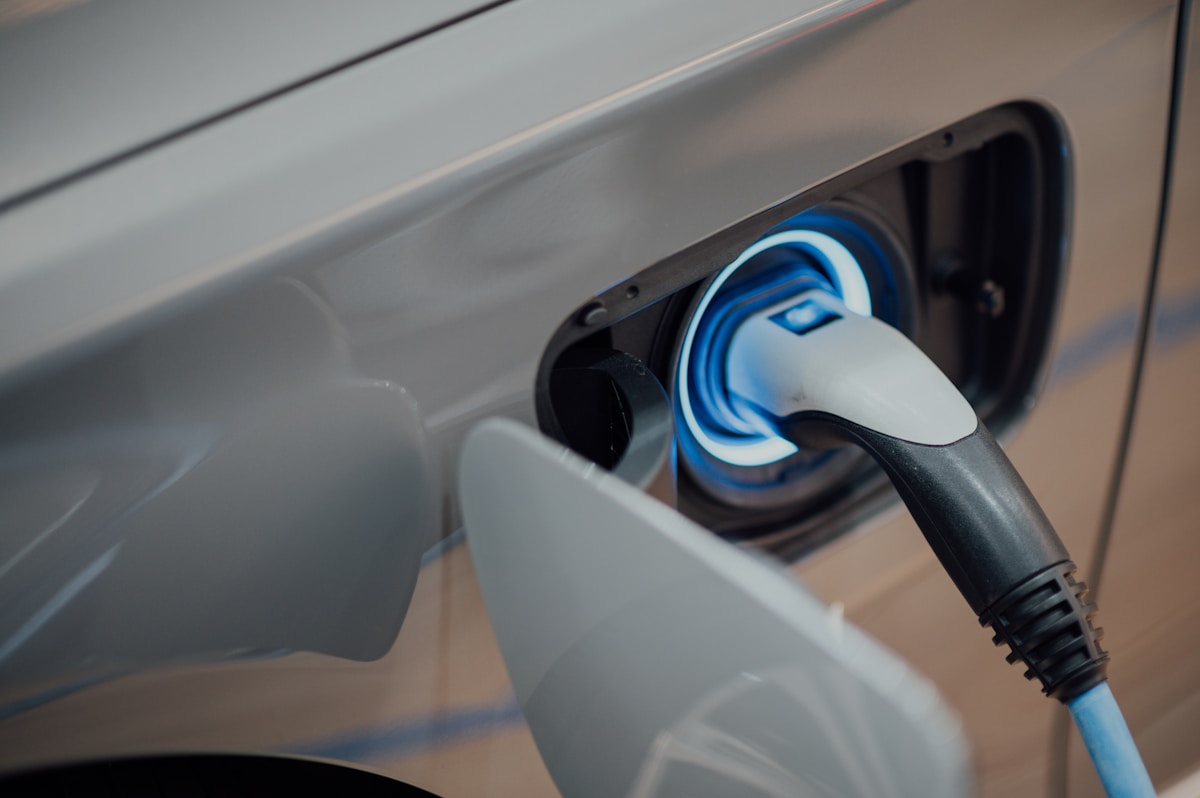
The Tesla Model 3 pulls into the parking garage, its driver scanning for something beyond a parking space. An EV charging point. In Lagos today, finding one feels like hunting for treasure. But the map is filling in—slowly at first, then faster. Property owners who install charging infrastructure now aren't just meeting current demand; they're positioning for a future that's arriving sooner than most expect.
The African EV Transition Is Coming
Skeptics point to Africa's current vehicle mix—dominated by internal combustion engines, many second-hand imports—and dismiss EV adoption as a distant concern. They're missing the acceleration that's already underway.
Global automakers are committing to electric futures. European regulations are pushing manufacturers toward EVs. As petrol and diesel vehicle production declines, the used cars that eventually reach African markets will increasingly be electric. The transition isn't a choice African consumers will make—it's a global shift that will reshape African mobility whether we're ready or not.
Meanwhile, early adopters are already here. Tesla imports through grey markets. Chinese EVs gaining traction. Local fleets experimenting with electric vehicles for operational cost savings. Each of these drivers needs charging infrastructure—and currently, options are scarce.
Parking Facilities: The Natural Charging Location
The question of where to charge EVs has an obvious answer: wherever vehicles already spend time parked. Home charging covers overnight needs. Workplace charging handles daytime hours. Retail and commercial parking serves the rest.
For parking operators, this creates an opportunity. Adding EV charging transforms parking from a commodity service—competing primarily on price and location—to a differentiated offering that attracts a growing, typically affluent customer segment.
The economics are compelling. EV owners currently face "range anxiety" not about their vehicles' capability but about charging availability. They'll pay premium rates for guaranteed access. They'll choose parking facilities that offer charging over those that don't. They're loyal to locations that meet their needs.
Understanding Charging Levels
Not all EV charging is equal. Different scenarios call for different speeds, with corresponding infrastructure requirements and costs.
Level 2 Charging (AC)
The workhorse of parking-based charging. Level 2 chargers add roughly 25-40 kilometers of range per hour of charging. This makes them ideal for locations where vehicles park for extended periods—workplace parking, residential estates, airport long-term lots.
Installation costs are moderate—primarily electrical upgrades to deliver adequate power. Most facilities can add Level 2 charging without major infrastructure changes. The units themselves are relatively inexpensive and require minimal maintenance.
DC Fast Charging
When speed matters, DC fast chargers deliver. They can add 80% battery capacity in 30-45 minutes—practical for retail parking where dwell times are shorter, or for drivers who need a quick top-up.
The costs are significantly higher. Fast chargers require substantial electrical infrastructure—often dedicated transformers. The equipment itself is expensive. But the revenue potential matches: drivers will pay premium rates for fast charging convenience.
Integrating Charging with Parking Management
Adding chargers to a parking facility creates management complexity. Which spaces are EV-only? How do you ensure chargers aren't blocked by non-EVs? How do you bill for electricity separately from parking? How do you handle the driver who parks all day at a charger, blocking access for others?
ParkNCharge's platform integrates EV charging into the broader parking management system, addressing these challenges coherently.
Space allocation is handled through the access control system. EV spaces can be restricted to vehicles with EV registrations. LPR recognizes registered EVs and grants access; non-EVs are denied or charged premium rates for blocking chargers.
Billing integration combines parking and charging on a single invoice. Drivers see exactly what they're paying for. Corporate accounts can cover both expenses or separate them for cost tracking.
Session management addresses the occupancy issue. When charging completes, drivers receive notifications to move their vehicles. Overstay charges apply after a grace period, ensuring charger availability for those who need them.
The Business Case for Property Owners
Installing EV charging requires investment. Understanding the return helps property owners make informed decisions.
Direct revenue comes from charging fees. Pricing typically includes a markup over electricity costs, with the margin depending on local market conditions and competition. As EV adoption grows, utilization rates—and therefore revenue—will increase.
Property differentiation attracts tenants and customers who own EVs. A corporate office offering workplace charging becomes more attractive to environmentally conscious employees. A shopping mall with charging draws EV-owning shoppers who might otherwise go elsewhere.
Future-proofing protects property value. Buildings without charging infrastructure will become less competitive as EV adoption grows. The cost to retrofit later—when demand is urgent—will exceed the cost to install now.
Sustainability credentials support ESG (Environmental, Social, Governance) objectives. Corporate tenants increasingly require green building certifications. EV charging contributes to these certifications and demonstrates environmental commitment.
Implementation Considerations
Successful EV charging deployment requires attention to several factors beyond simply installing equipment.
Electrical capacity is often the primary constraint. Buildings have limited electrical supply, and adding multiple chargers can exceed available capacity. Load management systems help—they dynamically allocate power across chargers based on demand, maximizing utilization within electrical limits.
Location within facilities matters. Chargers should be convenient but not occupying the most desirable spaces. They need adequate cable reach without creating tripping hazards. Signage should clearly identify EV spaces and charging procedures.
Network connectivity enables remote monitoring, software updates, and integration with payment systems. Hardwired connections are most reliable; cellular backup ensures operation during network outages.
User experience determines adoption. Charging should be as straightforward as fueling a petrol vehicle. Clear instructions, intuitive interfaces, and responsive support handle the learning curve for new EV drivers.
Starting Your EV Charging Journey
The best approach for most facilities is to start small and expand based on demand. Install a few Level 2 chargers in a visible location. Monitor utilization. As usage grows, add capacity. This iterative approach minimizes upfront investment while building operational experience.
ParkNCharge offers EV charging as an integrated component of our parking management solutions. Whether you're building a new facility or retrofitting an existing one, we can help you design a charging deployment that makes sense for your specific situation—today's needs and tomorrow's growth.
The EV transition is coming to Africa. The property owners who prepare now will be ready to serve—and profit from—the growing fleet of electric vehicles. Those who wait may find themselves scrambling to catch up.
Ready to Add EV Charging?
Whether you're exploring EV charging for the first time or expanding existing infrastructure, we can help you plan and implement a solution that integrates seamlessly with your parking operations.
Explore EV Charging Solutions →Related Articles

The Convenience of In-App Wallet and Payment Integration for Parking
Explore how integrated digital wallets and payment gateways enhance the user experience and streamline transactions for parking services.

QR Code Access Control: Flexible and Secure Parking Entry
Explore the benefits of QR code-based access control systems for parking facilities, offering a flexible and secure alternative to traditional methods.

Data-Driven Decisions: The Power of a Parking Analytics Dashboard
Understand how a comprehensive analytics dashboard provides insights into parking usage, revenue, and operational performance for smarter decision-making.