QR Code Access Control: Flexible and Secure Parking Entry
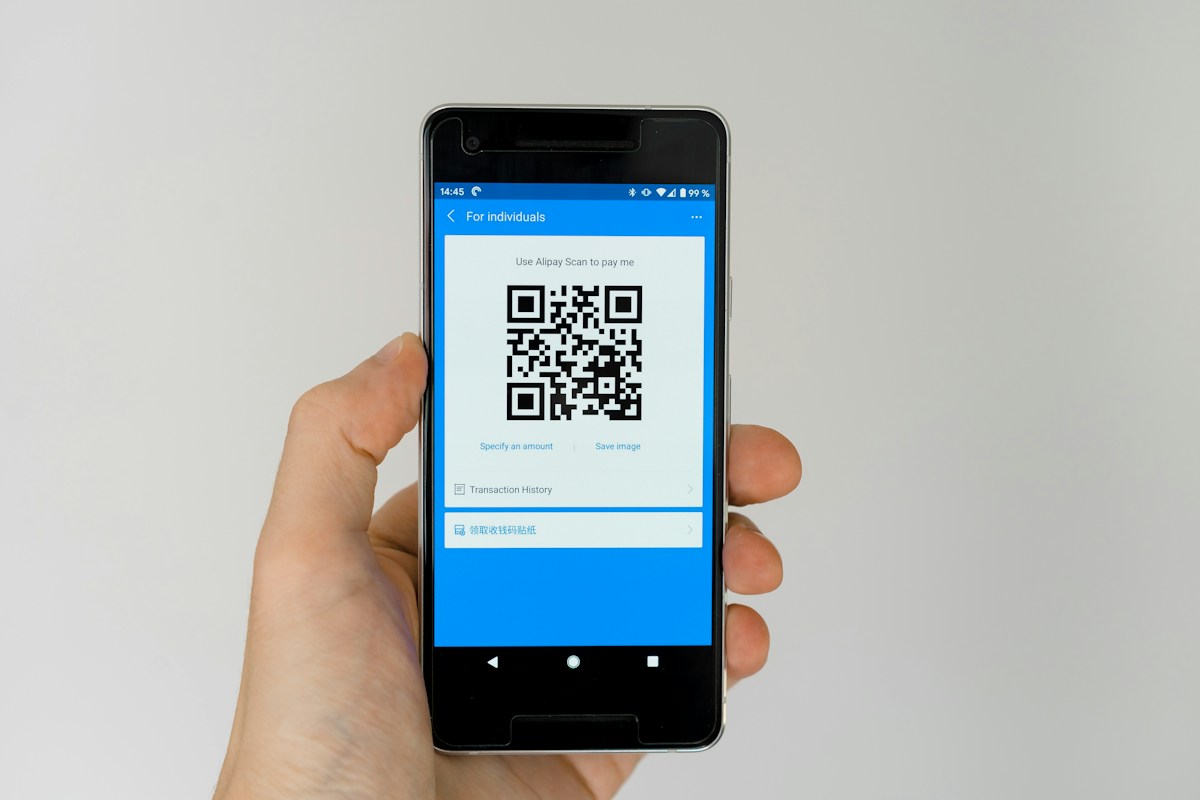
The conference attendee pulls up to the parking facility, anxious about finding the venue on time. She doesn't have a reservation, doesn't know the system, and definitely doesn't have a permit. But she has something simpler: a QR code on her phone, sent with her event registration. She holds it to the reader, the barrier rises, and she's parked in seconds. No friction, no confusion, no delay.
Beyond Plates and Cards
License Plate Recognition revolutionized parking access for regular users—employees, residents, monthly parkers. Their vehicles become their credentials. But not every parking scenario fits the LPR model perfectly.
Visitors arrive in unfamiliar vehicles. Event attendees come in groups with varying arrangements. Rental car users drive different vehicles on each visit. Guests of residents might be driving borrowed cars. For all these scenarios, LPR alone leaves gaps.
QR codes fill these gaps elegantly. They're digital credentials that can be created instantly, distributed electronically, and verified automatically. They work regardless of what vehicle someone drives. And they require no physical infrastructure beyond what modern parking facilities already have.
How QR Access Works
The process is intuitive for anyone who's used a mobile boarding pass or event ticket.
Generation. An authorized party—event organizer, resident host, corporate administrator—creates a QR code through the ParkNCharge app or portal. They specify validity parameters: date range, time restrictions, maximum uses.
Distribution. The QR code is sent to the recipient via email, messaging app, or integrated into third-party systems (event ticketing, visitor management, reservation platforms).
Presentation. At the parking facility, the recipient displays the QR code—on their phone screen, or printed if they prefer. A scanner at the entry point reads the code.
Verification. The system instantly validates the code: Is it legitimate? Is it within its validity period? Has it exceeded its use limit? Valid codes trigger barrier opening; invalid codes are rejected with clear messaging.
Tracking. Every QR code use is logged—timestamp, location, and the specific code used. Audit trails enable accountability and investigation if issues arise.
Use Cases That Shine
Event Parking
Conferences, concerts, weddings, corporate events—all involve large numbers of attendees who need parking access for a specific period. Traditionally, this meant printed passes, gate staff checking lists, or honor-system chaos.
With QR codes, event organizers distribute access electronically as part of the registration process. Attendees arrive and gain entry automatically. No lists to check, no staff to brief, no counterfeit concerns.
Visitor Access
Residential estates and office buildings regularly welcome visitors. The host knows the visitor is coming; the parking system should too.
When a resident or employee creates a visitor invitation through the app, a QR code is automatically generated and sent to the guest. The guest arrives and gains entry without calling ahead, waiting for verification, or interacting with security staff.
Reservations and Pre-Booking
Customers who book parking in advance deserve a premium experience on arrival. QR codes delivered with reservation confirmations enable seamless entry—no searching for confirmation numbers, no waiting for systems to sync plate data.
Service Provider Access
Delivery drivers, maintenance contractors, service technicians—all need controlled access for limited periods. QR codes with tight validity windows (this morning only, the next two hours) provide access without creating permanent credentials.
Fallback Access
Even the best LPR systems occasionally can't read a plate—obscured, damaged, unusual formats. QR codes provide a graceful fallback. Permit holders can display their QR code when plate recognition fails, ensuring they still gain access.
Security Considerations
Any access control system raises security questions. QR codes are designed with multiple security layers.
Uniqueness. Each QR code is cryptographically unique. You can't generate valid codes without system access. Copying the image of a code doesn't create new access—the system tracks individual code usage.
Expiration. Codes have defined validity periods. A code issued for today's event won't work tomorrow. A visitor code for afternoon access won't work in the morning.
Use limits. Codes can be configured for single use, limited uses, or unlimited uses within their validity period. An event attendee might get one entry and one exit; a weekly contractor might get 10 uses.
Revocation. If a code is compromised or issued in error, it can be revoked instantly. The code simply stops working, regardless of its original validity parameters.
Audit trails. Every code creation, distribution, use, and revocation is logged. If security questions arise, the complete history is available for investigation.
Integration Possibilities
QR code access truly shines when integrated with other systems—extending parking access into broader workflows.
Event management platforms. When an attendee registers for an event, the ticketing system automatically requests a parking QR code and includes it in the confirmation email. No manual coordination required.
Visitor management systems. When a visitor appointment is scheduled in the building's visitor system, parking access is automatically provisioned and sent along with other arrival information.
Hospitality platforms. Hotel guests receive parking access with their booking confirmation. Check-in already handled before they arrive.
Property management software. Tenant systems can generate visitor codes directly, with parking access managed as part of the property experience rather than a separate operation.
Implementation Simplicity
Adding QR capability to a parking facility requires minimal infrastructure. Modern barrier systems already include camera or scanner capabilities. If not, adding a dedicated QR scanner is straightforward and inexpensive.
The user experience requires no training. Anyone who's scanned a QR code before—which is essentially everyone—already knows what to do. Hold the code to the scanner. Wait for the barrier. Drive through.
For operators, QR management integrates into the existing ParkNCharge dashboard. The same interface that manages LPR access, permits, and payments also handles QR code creation, distribution, and tracking. No separate system to learn.
Complementing LPR, Not Replacing It
QR codes and LPR aren't competing technologies—they're complementary. LPR excels for regular users whose vehicles are known. QR codes excel for variable access needs where vehicle identity isn't fixed or known in advance.
The best parking facilities deploy both, using each where it fits best. Employees enter via LPR. Visitors enter via QR. Event attendees use QR. Permit holders with LPR issues fall back to QR. The combination provides comprehensive coverage without gaps.
The conference attendee who breezed through entry this morning will remember the experience. Friction-free, exactly as modern parking should be. And if she visits again next month, in a different car, with a different meeting—she'll have another QR code ready, and the experience will be just as smooth.
Add Flexible Access to Your Facility
QR code access complements LPR to handle every parking scenario. Contact us to discuss how flexible access control can improve your operation.
Explore Access Solutions →Related Articles

The Convenience of In-App Wallet and Payment Integration for Parking
Explore how integrated digital wallets and payment gateways enhance the user experience and streamline transactions for parking services.
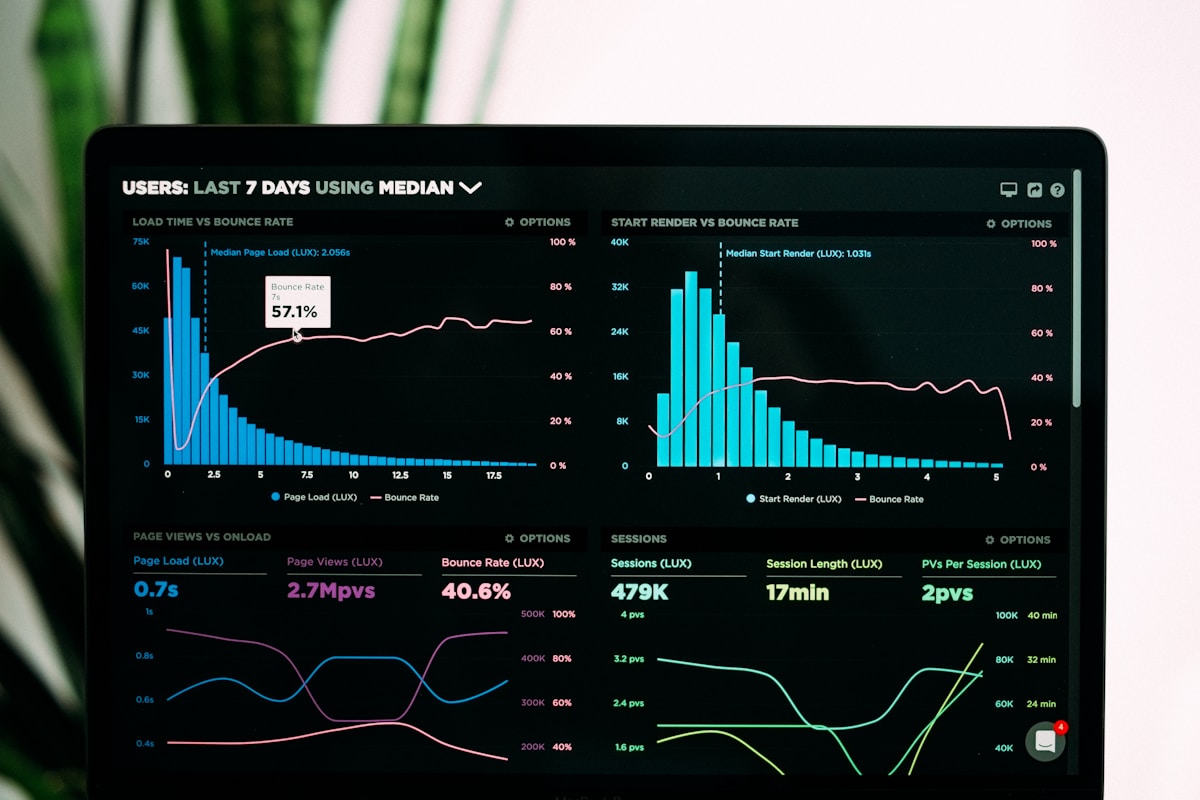
Data-Driven Decisions: The Power of a Parking Analytics Dashboard
Understand how a comprehensive analytics dashboard provides insights into parking usage, revenue, and operational performance for smarter decision-making.
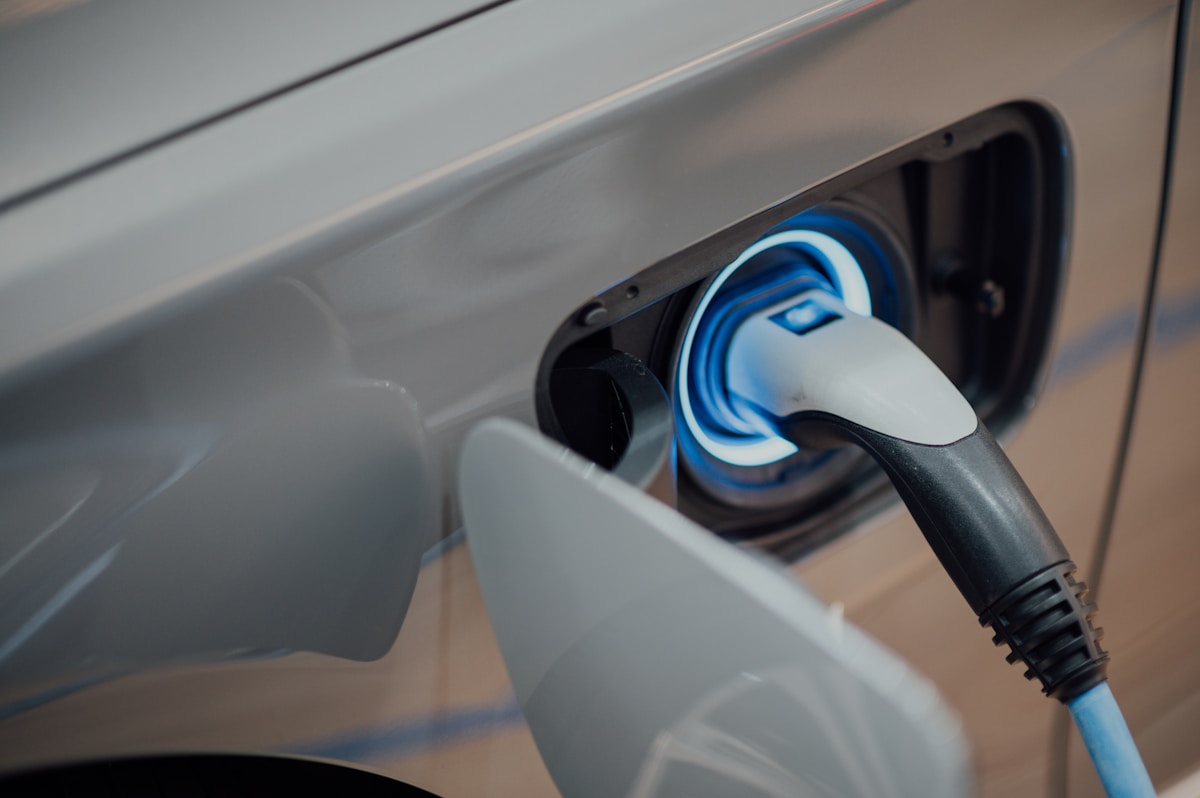
Building the Future: EV Charging Infrastructure for Parking Facilities
Explore the essentials of integrating EV charging stations into your parking facility, the types of chargers, and how ParkNCharge supports sustainable mobility.