The Complete Guide to License Plate Recognition (LPR) Technology in Parking Management

There's a moment of magic when a vehicle approaches a modern parking facility. No fumbling for tickets, no waiting for barriers, no interaction required. The gate simply opens, as if the building itself recognizes the driver. Behind this seamless experience is License Plate Recognition technology—and it's transforming parking operations globally.
The End of the Parking Ticket
For decades, parking management meant paper tickets. Drivers pulled up to entry barriers, pressed buttons, collected tickets, and hoped they wouldn't lose that small slip of paper over the next few hours. Lost tickets meant disputes. Worn tickets jammed machines. And the entire system required constant human intervention.
License Plate Recognition (LPR) technology—sometimes called Automatic Number Plate Recognition (ANPR)—renders this entire paradigm obsolete. High-speed cameras capture vehicle plates in milliseconds, sophisticated algorithms extract the registration number, and the vehicle itself becomes the ticket.
For parking operators, this isn't just a convenience upgrade. It's a fundamental shift in how parking facilities operate, generate revenue, and serve customers.
How LPR Actually Works
Understanding LPR technology helps operators make informed decisions about implementation. While the experience feels like magic, the underlying process is elegantly logical.
Image Capture
Specialized cameras—very different from standard CCTV—are positioned at entry and exit points. These cameras are optimized for the unique challenges of reading license plates: high-speed vehicles, varying lighting conditions, rain, dust, and the wide variety of plate formats across different African nations.
Infrared illumination ensures reliable capture at night, while high frame rates mean even fast-moving vehicles are captured with clarity. The best systems capture multiple frames and select the clearest image for processing.
Optical Character Recognition
The captured image goes through sophisticated processing. First, the plate is located within the image—a non-trivial task given varying vehicle sizes, angles, and plate positions. Then, individual characters are identified and recognized.
Modern systems handle the challenges unique to African plates: reflective surfaces, non-standard fonts, plates obscured by dust or damage, and the variety of formats across different countries and states. Confidence scores ensure that low-quality reads are flagged for manual review rather than causing errors downstream.
Database Matching and Decision
Once the plate number is extracted, the system checks it against multiple databases in milliseconds. Is this vehicle whitelisted for automatic access? Does it have a valid permit? Is there an active reservation? Is it on a blacklist?
Based on these checks, the system takes action—opening gates for authorized vehicles, creating parking sessions for visitors, or denying access to blacklisted plates. All of this happens in the time it takes a vehicle to approach the barrier.
Beyond Access Control: The Full Value of LPR
Operators sometimes view LPR narrowly—as a way to open gates automatically. But the technology's value extends far beyond this initial use case.
Accurate, Automated Billing
Every entry and exit is timestamped to the second. There's no ambiguity about when a vehicle arrived or departed. This precision eliminates billing disputes—a significant source of customer frustration and staff overhead in traditional systems.
Dynamic pricing becomes practical: different rates for different times, days, or durations. Maximum daily caps can be automatically applied. Corporate account billing is based on verified usage rather than estimates.
Enhanced Security
Every vehicle entering and exiting your facility is logged with time, date, and plate image. This creates an audit trail that's invaluable for security investigations. Stolen vehicles can be flagged in real-time. Blacklisted plates—whether for previous violations or security concerns—are automatically identified.
Integration with external databases means facilities can participate in broader security networks, automatically flagging vehicles of interest to law enforcement.
Operational Intelligence
Over time, LPR data reveals patterns that transform operational decision-making. Which hours see peak demand? What's the average dwell time? How many unique vehicles visit monthly? What percentage are repeat visitors?
These insights inform staffing decisions, maintenance scheduling, capacity planning, and pricing strategy. Operators move from gut-feel management to data-driven operations.
The African Context: Unique Challenges, Tailored Solutions
LPR technology was developed primarily in North America and Europe, where license plates follow standardized formats, vehicles are relatively uniform, and infrastructure is reliable. African deployments face different realities.
Vehicle diversity is far greater—from compact sedans to commercial trucks, from motorcycles to construction equipment. Plate formats vary not just between countries but between states and provinces within countries. Some plates are well-maintained; others are faded, bent, or partially obscured.
Power reliability varies. Internet connectivity can be inconsistent. Dust, heat, and humidity challenge equipment designed for temperate climates.
ParkNCharge's LPR implementation is designed for these realities. Our cameras and algorithms are optimized for African plate formats. Edge processing means gate decisions happen locally, regardless of internet status. Industrial-grade equipment handles environmental extremes.
Implementation Considerations
Successful LPR deployment requires attention to several factors that aren't always obvious to first-time implementers.
Camera Positioning
The angle, height, and distance of cameras from the capture zone dramatically affect read accuracy. Too steep an angle and plates become unreadable. Too far and resolution suffers. Professional installation by experienced technicians—not general CCTV installers—is essential.
Lighting Conditions
While modern cameras handle varying light, extreme conditions still challenge the technology. Direct sunlight creating glare, deep shadows from building overhangs, or the transition from bright outdoor to dim indoor parking—all require consideration during system design.
Fallback Procedures
No technology is perfect. What happens when a plate can't be read? When a vehicle has no front plate? When the camera is temporarily obscured? Robust systems include fallback procedures—manual entry options, intercom connections, staff alerts—that maintain operations even when automation hits exceptions.
Integration with Existing Systems
LPR rarely exists in isolation. It needs to integrate with barrier gate controllers, payment systems, building access control, and management software. Clean integrations—not cobbled-together workarounds—determine long-term system reliability.
The ROI Question
Operators considering LPR inevitably ask about return on investment. While specific numbers depend on facility size, traffic volume, and current operational costs, the value drivers are consistent:
Reduced staffing costs. Automated entry and exit reduces the personnel needed for access control. In 24/7 facilities, this impact multiplies across shifts.
Eliminated ticket infrastructure. No more ticket printers, paper stock, maintenance, or the surprisingly high cost of keeping mechanical ticketing systems running.
Reduced revenue leakage. Automated, auditable systems close the gaps that exist in cash-based manual operations. Some operators discover revenue increases of 20-30% from better enforcement alone.
Increased throughput. Faster entry and exit means more vehicles served per hour. During peak times, this can translate to meaningful revenue impact.
Customer retention. The seamless experience of LPR-enabled parking creates competitive advantage. In commercial contexts, better parking drives repeat business.
Getting Started with LPR
Transitioning to LPR doesn't require replacing entire parking infrastructure overnight. Many operators begin with entry/exit points at their highest-traffic locations, proving the technology and building operational comfort before expanding.
ParkNCharge offers turnkey LPR deployments that include hardware, software, installation, training, and ongoing support. For facilities with existing barrier systems, our Connect solution adds LPR capability to current infrastructure.
The future of parking is automated, data-driven, and frictionless. LPR technology is the foundation that makes this future possible.
Ready to Explore LPR for Your Facility?
Whether you're building a new parking facility or modernizing an existing one, our team can help you understand how LPR technology applies to your specific situation. We offer site assessments and no-obligation consultations.
Explore LPR Solutions →Related Articles

The Convenience of In-App Wallet and Payment Integration for Parking
Explore how integrated digital wallets and payment gateways enhance the user experience and streamline transactions for parking services.
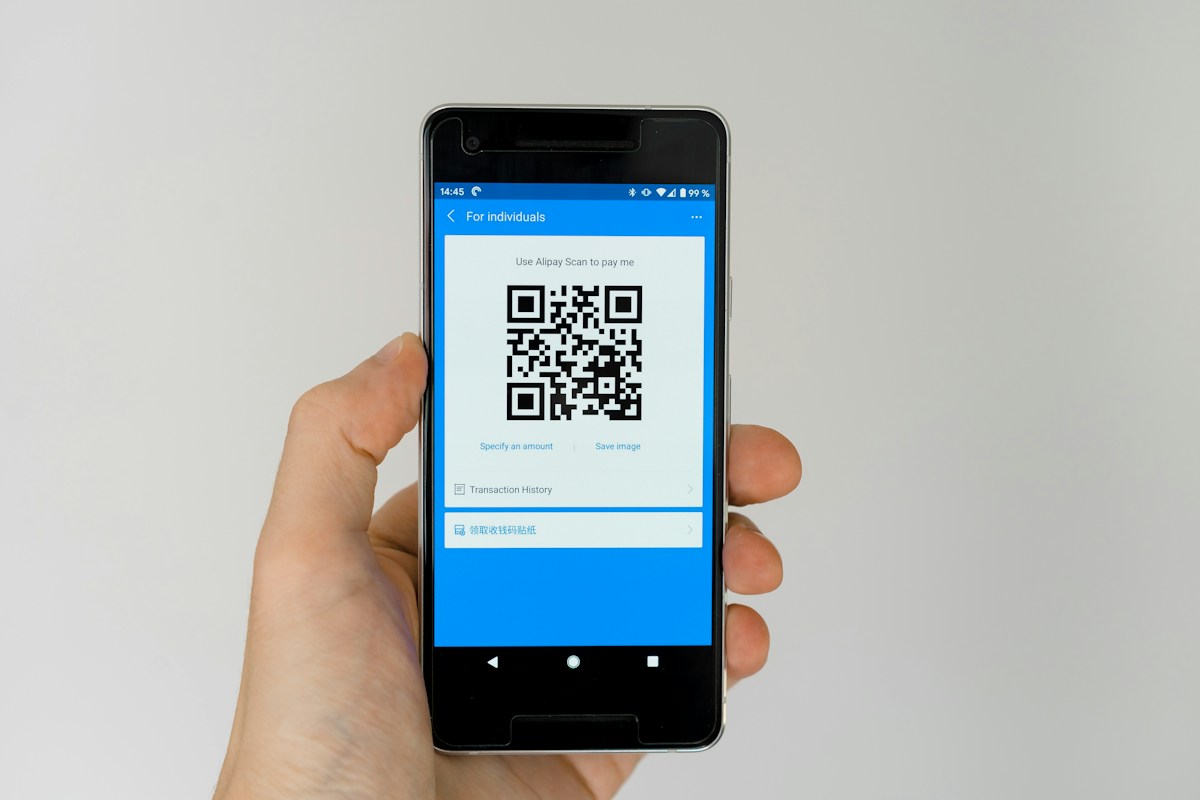
QR Code Access Control: Flexible and Secure Parking Entry
Explore the benefits of QR code-based access control systems for parking facilities, offering a flexible and secure alternative to traditional methods.

Data-Driven Decisions: The Power of a Parking Analytics Dashboard
Understand how a comprehensive analytics dashboard provides insights into parking usage, revenue, and operational performance for smarter decision-making.